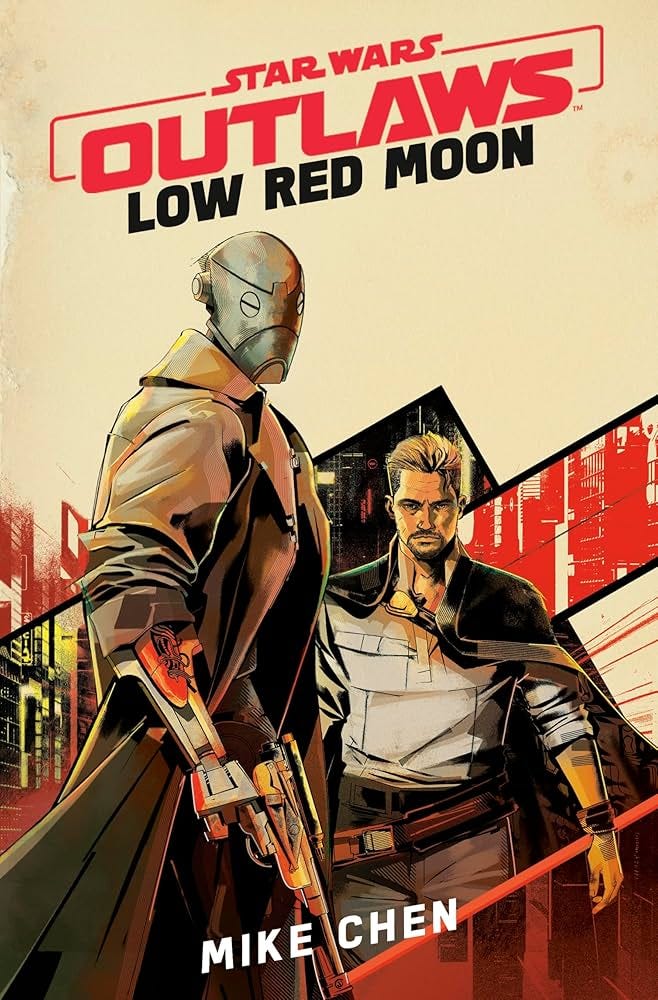
Low Red Moon
by Mike Chen

Mike Chen is back!
Mike’s first adult Star Wars novel ‘Brotherhood’ remains one of our favourites here at SW Legacy Reader, so we were both incredibly excited to pick this up.
So how did we find it?
Low Red Moon was great, and it stands out as one of the strongest Star Wars tie-in novels because it succeeds first and foremost as a character story. It doesn’t rely on familiar icons, large-scale battles, or nostalgic references, Mike Chen builds his novel around the two main protagonists from the game Star Wars Outlaws and gives them emotional depth, moral complexity, and believable development. The result is a book that feels meaningful, grounded, and surprisingly personal.
The novel focus is on the criminal underworld within the Star Wars universe. Shady deals, shifting alliances, and moral uncertainty dominate the narrative. This approach suits the story perfectly and gives Low Red Moon a distinct identity within the recent set of books within the canon. The underworld setting feels lived-in and believable, filled with small operators, corrupt officials, and opportunistic criminals rather than one grand villain.
Low Red Moon is paced perfectly. The novel unfolds in clear stages, allowing relationships and motivations to develop naturally. While the story is not constantly action-driven, it rarely feels slow. Each section serves a purpose, building toward the final confrontation in a steady, satisfying way.
Action scenes are easy to visualize and well-paced, while quieter moments are given space to breathe.
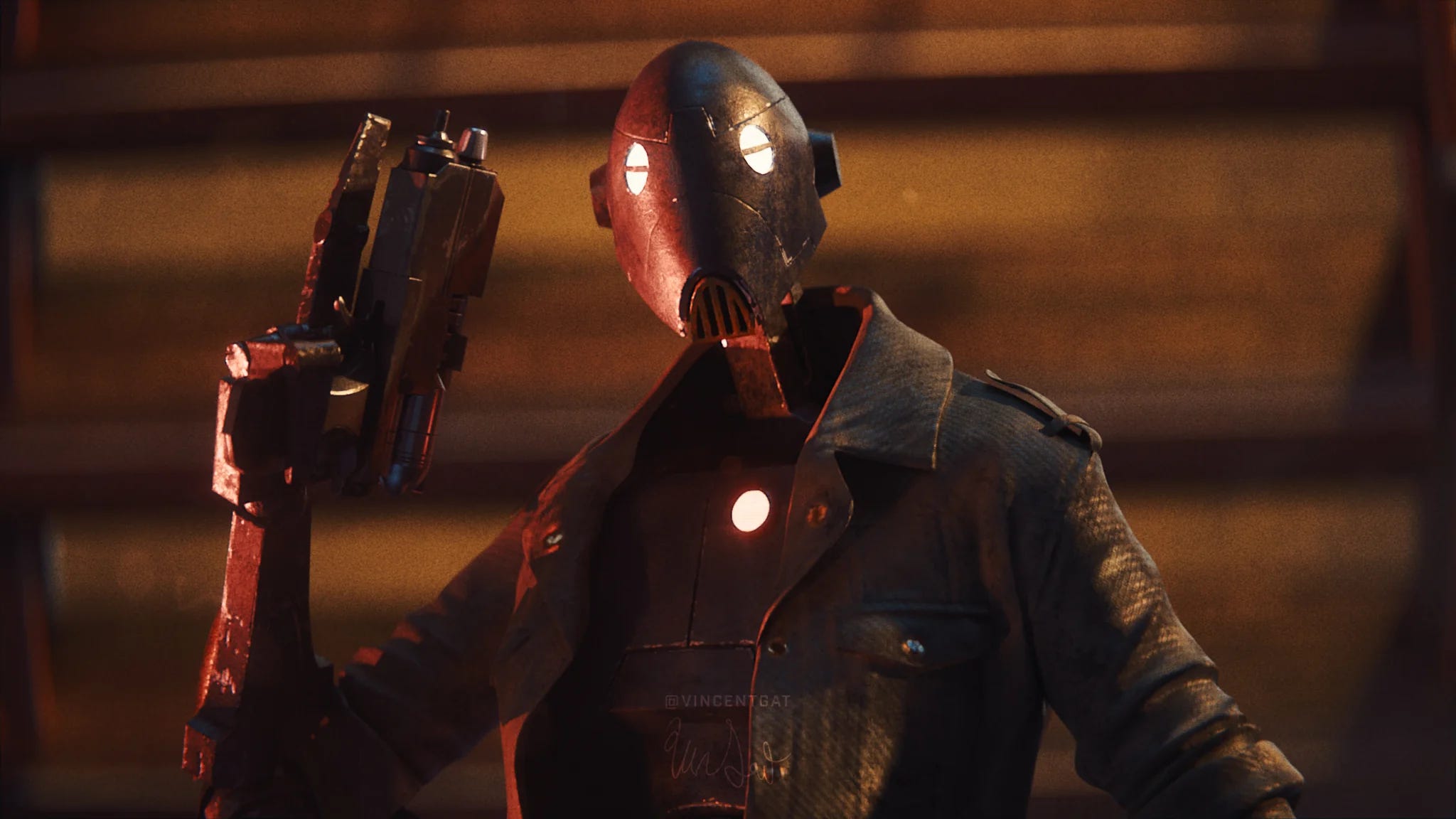
Speaking of the action sequences, I’m glad Mike was allowed to go where he did with some of them, especially with ND-5. I felt the nature of the violence suited the character and story well.
From the opening chapters, Low Red Moon establishes a serious, mature tone. The story begins with sudden loss and upheaval, immediately drawing the reader into Jaylen Barsha’s shattered world. Instead of rushing past this trauma, Chen allows the emotional consequences to linger throughout the novel.
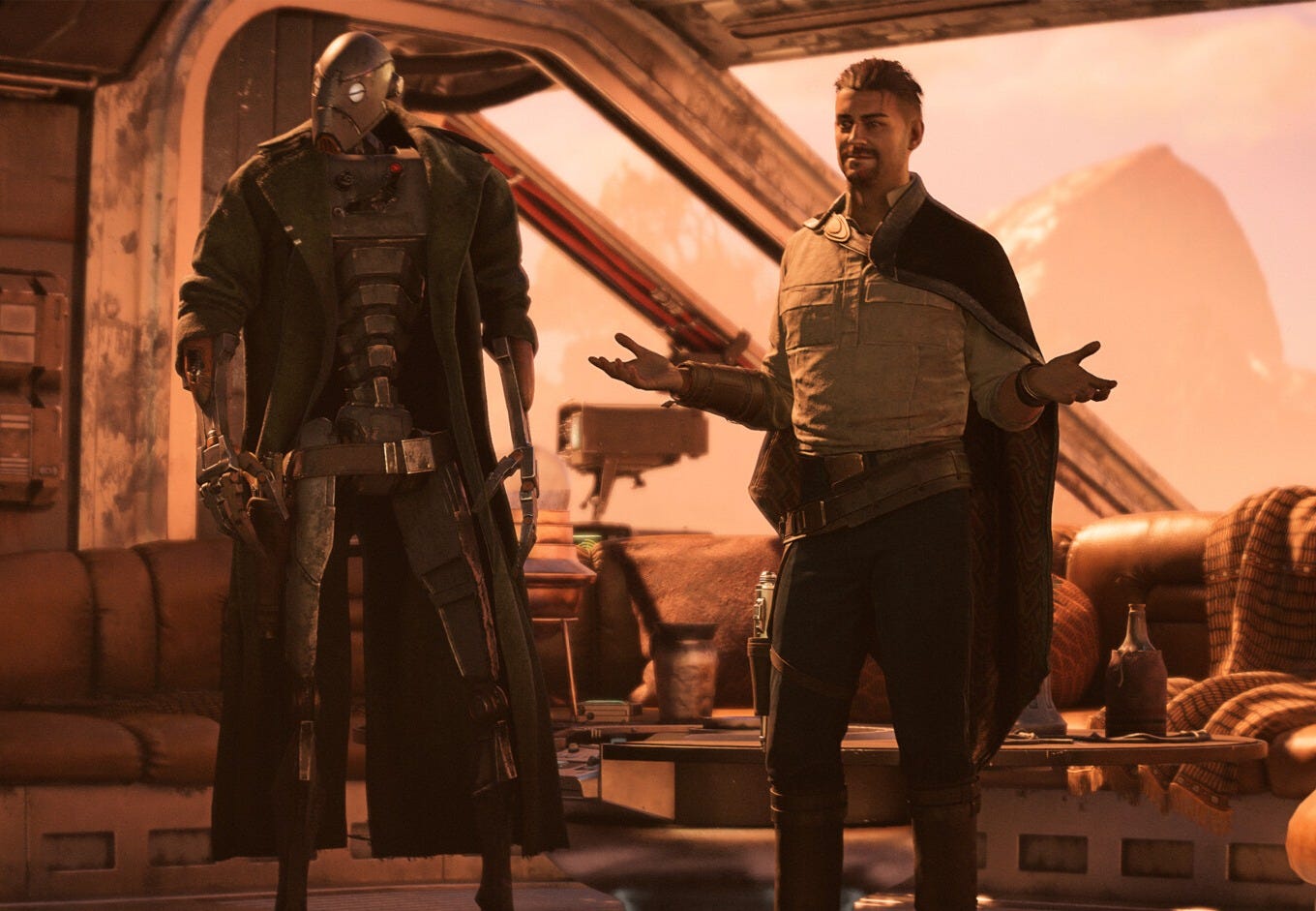
Let’s talk about the portrayal of Jaylen Vrax. He is not introduced as a traditional hero, nor does he grow into one by the end. Instead, he is presented as a flawed, sometimes selfish, often morally conflicted survivor. His transformation from privileged heir to hardened outlaw feels gradual and believable, shaped by necessity, fear, and ambition.
By the end the words I think I used were “he’s a b**tard”.
He understands that many of his choices are questionable, yet he continues making them because they keep him alive and in control. This honesty makes him feel realistic. Readers are not asked to admire him, but rather to understand him. Chen writes Jaylen as someone shaped by circumstance rather than destiny, which fits perfectly with the novel’s underworld setting.
“She’s bluffing” was one my favourite lines form Jaylan, sometimes, the ‘hero’ can’t always be right.
Importantly, Jaylen’s arc never becomes simplistic. He does not suddenly discover noble ideals or embrace a heroic mission. His growth is internal, subtle, and sometimes uncomfortable. By the end, he has learned hard truths about himself and his past, but he remains an outlaw. This refusal to provide an easy redemption makes his journey more satisfying and mature.
ND-5 is the best thing about this book, no point in sugar coating it.
Chen’s decision to write his chapters in a first-person point-of-view is inspired. Through ND-5’s analytical, methodical voice, readers are invited into his mind.
ND-5’s internal monologue is one of the most memorable aspects of the book. His thoughts are precise, logical, and often understated, yet deeply expressive. He does not describe emotions in human terms, but his confusion, hesitation, and gradual moral awakening are clear. This subtlety makes his development especially powerful.
Over the course of the story, ND-5 evolves from a weapon following orders into a partner capable of independent judgment. His growing empathy, sense of responsibility, and quiet loyalty provide a strong emotional counterpoint to Jaylen’s cynicism. In many ways, ND-5 becomes the most ethically grounded character in the novel.
Low Red Moon explores several thoughtful themes. Among them is identity.
How people redefine themselves after loss, and how much of who we are is shaped by circumstance. Both our leads struggle to understand who they are when their old roles no longer apply.
Disclaimer at the time of writing this review we both haven’t play Star Wars Outlaws. The discussion we had going into the book was, “I wonder if this will make us want to play it more or less?”
Well, the answer is clear, more.
Importantly to us, the book never feels like mere promotional material. It stands on its own merits as a complete story with its own themes and emotional payoff. Readers unfamiliar with the game can enjoy the novel without confusion.
Conclusion
Star Wars Outlaws: Low Red Moon is an excellent example of how tie-in fiction can rise above expectations. Rather than relying on nostalgia or spectacle, Mike Chen delivers a deeply human story about loss, reinvention, and moral survival in a harsh galaxy.
I listened to Low Red Moon on Audible which was narrated by Eric Johnson and Jay Rincon, I need to give those guys some credit too. Excellent voice work, a great decision especially with ND-5, Jay returning after Outlaws to provide the voice for the book was a great touch, an inspired decision to have two voice actors for this book.
The book’s greatest achievement lies in making readers care. By the end of the book, Jaylen’s choices and ND-5’s growth feels earned, meaningful, and emotionally resonant. The story does not offer easy answers or simple victories.
For readers who enjoy character-driven science fiction, morally complex protagonists, and grounded storytelling, Low Red Moon is highly recommended. It is not just a strong Star Wars novel; it is a strong novel.
When are we just going to give Mike Chen the keys to the franchise?